Rajasthan Part V

On the 28th of January, the first thing we did was visit The Indian institute of craft and design for a tour, while we were there we were given a brief chat on how their academic system works, showed us their student’s projects and workshops and even workshop demonstrations.

UNADJUSTEDNONRAW_thumb_1f5a UNADJUSTEDNONRAW_thumb_1fad

UNADJUSTEDNONRAW_thumb_1fcc . UNADJUSTEDNONRAW_thumb_1fa3

Our next stop was the Jawahar Kala Kendra Museum, while there we had a brief look round, and what really caught my interest were the shadow puppets in the Gandhi exhibition

UNADJUSTEDNONRAW_thumb_1fe6.jpg UNADJUSTEDNONRAW_thumb_1feb.jpg

Our last stop was to see (to be added) and her designed clothes and textiles, while there we had a look around and observed the printing blocks, the fabrics, the patterns, and the natural dyes.

UNADJUSTEDNONRAW_thumb_200c UNADJUSTEDNONRAW_thumb_2015 UNADJUSTEDNONRAW_thumb_202c


Rajasthan Part IV

On the 27th of January, we all started the day off by going to the monkey temple, there we saw many monkeys and most of us even let them sit on our shoulders.

UNADJUSTEDNONRAW_thumb_1eb6 UNADJUSTEDNONRAW_thumb_1eaf

UNADJUSTEDNONRAW_thumb_1e99    IMG_3257

Today’s Sketches

After the temple, we made our way to the carpet store to see how carpets were made.

UNADJUSTEDNONRAW_thumb_1eeb  UNADJUSTEDNONRAW_thumb_1ef5

(The patterns being block printed)        (Trimming the excess material)

Heres a link to a video on my youtube channel on how they fringe off the excess material off the floor side of the carpet to prevent the carpet from slipping:

UNADJUSTEDNONRAW_thumb_1f0b After we were shown how they were made, we were then invited upstairs so they could showcase their carpets and list out the prices for any of us who were interested in buying them.

Our last stop for the day was the pottery place, there we were shown how ceramics were done in there (e.g if the kiln goes over 90 degrees the ceramics get damaged.) after that we all looked around the shop.

Rajasthan Part III

On the 26th of January, I and my group had our third full day out in Jaipur.

Our first stop was the Maharaja Museum, while we were there we took a look at the artifacts and leaned about the Maharaja and the royal family.

UNADJUSTEDNONRAW_thumb_1d76 UNADJUSTEDNONRAW_thumb_1d66

(Fun Fact: When the flags are raised, it means the Maharaja is in the city.)

IMG_1335

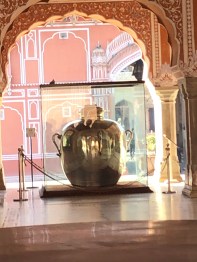
Biggest and heaviest silver jar in the world

After that, we had a look round the sundials

Today’s sketches

IMG_3246 IMG_3248 IMG_3247

In the late afternoon after lunch, we made our way to a nearby balcony and did some sketching in front of the Wind Palace.

UNADJUSTEDNONRAW_thumb_1db3


Jaipur by night tour

Around 6 PM four jeeps come round to the hotel to pick us up and take on a nighttime tour of Jaipur, the journey lasted for about 4 hours (including stops at certain landmarks)

Everyone (including me) had a good time on this tour and was even one of my favourite activities from this trip :).

UNADJUSTEDNONRAW_thumb_1de7 UNADJUSTEDNONRAW_thumb_1df4.jpgUNADJUSTEDNONRAW_thumb_1dd0 UNADJUSTEDNONRAW_thumb_1e13


Rajasthan Part II

On the 25th of January, we went to visit a local family at their home to learn how paper is made from elephant dung.

First, the dung is collected from elephant stables (each dung varies as per season and what they eat)

  1. Next, they clean it thoroughly with water and acts as a fertilizer
  2. Next, the mixture is beaten (as long as it’s soft) to get the fibre ready for the next stage and is cooked up to 4-5 hours
  3. Once it’s cooked, the water is drained, it’s left out in the sunlight to dry, once dried the excess fibre is then removed

UNADJUSTEDNONRAW_thumb_1d1f UNADJUSTEDNONRAW_thumb_1d17

After we made our paper we were then invited upstairs to join the family for an afternoon lunch.

UNADJUSTEDNONRAW_thumb_1d31 UNADJUSTEDNONRAW_thumb_1d32

Here’s a link to a video of me draining the water from the dung on my YouTube channel:

Rajasthan Part I

On the 24th of January, I and my group went out on our first full day in Jaipur. Our first stop was Amer Fort in Devisingh Pura

History

Armer fort was built by Maan Singh (The general of Akbar) in the 16th century Singh would then roll the fourth (which back then was referred to as a member state) the Amer fort is located in Devisingh Pura.

UNADJUSTEDNONRAW_thumb_1c1a

The Temple

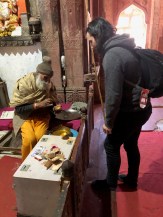
After the fort, we all made our way down to the temple, while we were there we taught the concept of the three Hindu gods Brahma: The creator, Vishnu: the preserver and Shiva: the destroyer (each of these gods were also a representation of the three stages of our lives

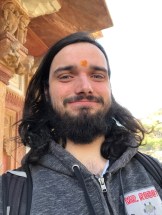
While we were there we were each given a yellow dots on our foreheads from the father of the temple

IMG_1083IMG_1085

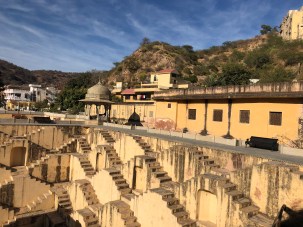
The Stairwell

IMG_1110 IMG_1113


The Block printing museum

Our next stop was the block printing museum while we were there we looked around and saw all the tools and textiles and we were given demonstrations on how the blocks are carved and how there printed onto the fabric.

UNADJUSTEDNONRAW_thumb_1cabUNADJUSTEDNONRAW_thumb_1cbf

Here’s a link to a video of the block carving on my YouTube channel:


Prospect Tower

On the 7th to the 9th of January, I had my first session of the prospect of our project as part of the Enhancement week.

First, we were given a presentation at prospect house or the old and new ones, for this project we were split into groups of three and this will help you design a modern prospect tower that included the following:

  • Minimal environmental impact
  • An Appreciation of the site context
  • Fully accessible to all
  • Room for at least six people
  • Striking contemporary design
  • Height between 15 and 20 meters
  • Multiple functions

Once we were given our introduction we split up into teams of three and discussed some ideas and started sketching.

Here are my sketches:

IMG_0455 2IMG_0456 2

IMG_0457 2


Figurative Modelling Part X

On the 12th of December, I presented my ten slide presentation based on my experience, skills and Ambitions, throughout my time in figurative modelling.

Each slide covered certain aspects:

  • New skills and techniques
  • My collage
  • My trip to the V&A
  • Relation to my own coursework
  • Research and context
  • New ideas

Screenshot 2019-12-16 at 23.02.28.png


Screenshot 2019-12-16 at 23.03.16.png

Heres the link to the full Presentation:

Final presentation

Figurative Modelling Part IX

On the 10th of December, I had my final practical session of Figurative modeling, For this, we were given a step by step process on how to make legs out of clay.

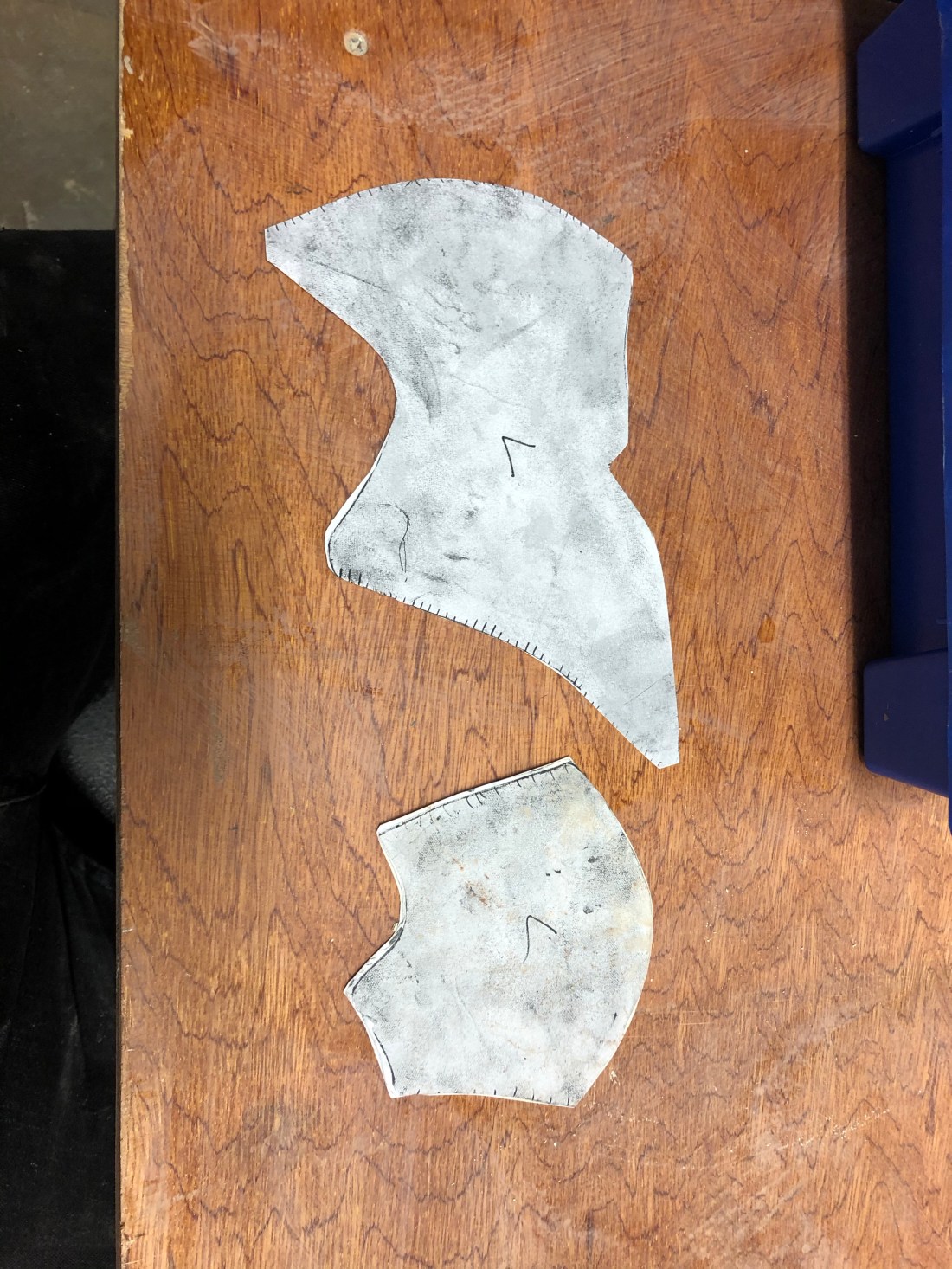
 First we were given paper templates to trace over the clay and cut out

After tracing and cutting the pieces I curved them and connected them with slip, securing them in place.

Once each pieces were made I then sculpted feet for both the legs, next I attached both the legs to each foot.

Finally I connected both the legs together, I was pretty happy with the result.


Figurative Modelling Part VIII

On the 5th of December, I had my eighth session in Figurative modeling, For this session, we showcased our ceramics, plaster, slip collages to Natasha, to express what our piece is about.

UNADJUSTEDNONRAW_thumb_14fd

As I mentioned in the last post about this, I hadn’t really planned the whole piece out and instead improvised, therefore my piece didn’t really have an intentional meaning, however since this term project was bout expressing, it was up for interpretation, so anyone could say what kind of story it tells.


Figurative Modelling Part VII

On the 3rd of December, I and my group went on a trip to the Victoria and Albert Museum in London.

During the first few hours of our time at the V&A, I went around looking at multiple artifacts and artwork from multiple countries and cultures.

IMG_9460    IMG_9478 IMG_9485

For the last hour of the day, we all met up and were introduced to the ceramic artist Aimee Lax,

Heres a link to my youtube video of my trip to the V&A