Leonardo Da Vinci (Sketches)

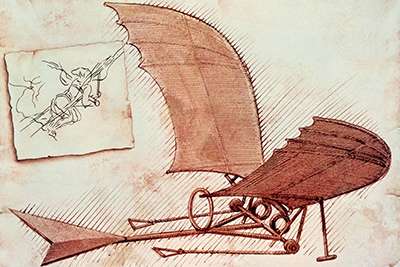
Leonardo Da Vinci was a renisance artist and is considered to be one of the best painters, inventors, carpenters, scientists, designer etc, of all time. he was also known for inventing early iterations of well known technology such as the helicopter, the tank, the parchute and the robot.

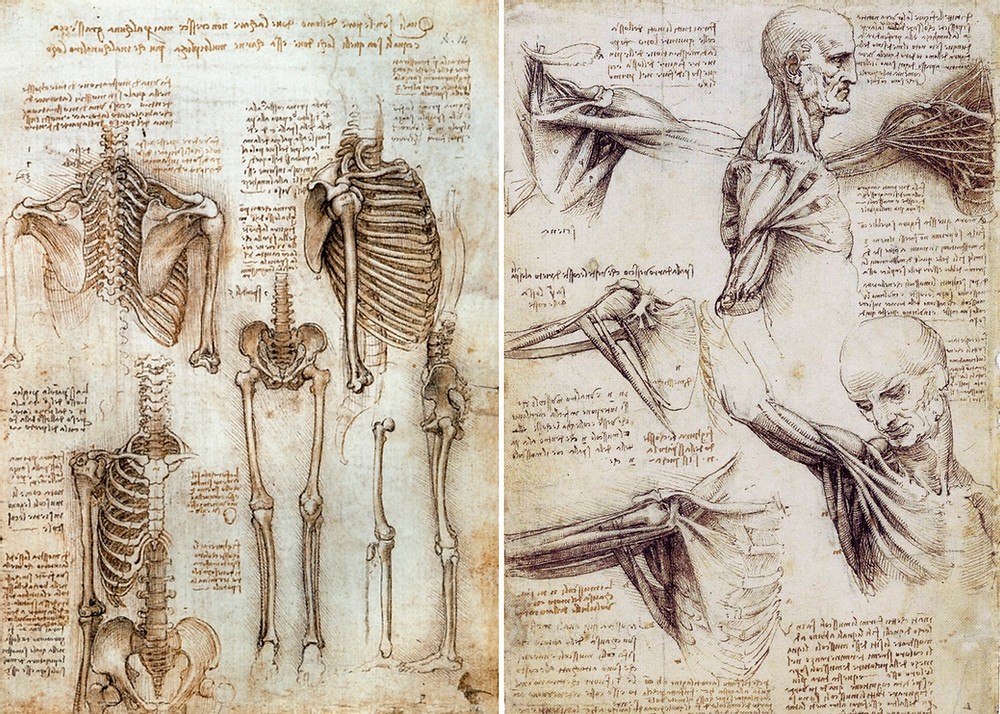
I’ve always had an interest in how knowlege and multicapable he was, and how he was a pioneer in medical science and technology, and even to this day, his diagrams still hold up as medically accurate.

Paintings:

  • Mona Lisa (1503)
  • The Last Supper (1498)
  • Vitrurian Man (1490)
  • Salvator Mundi (1500)

Designs for inventions:

  • Winged flying Machine
  • Tank
  • Parachute
  • Helicopter
  • Diving equipment
  • Robotic Knight

Personal development profile

For this assignment, I will be going over my strengths and weaknesses during my time in the figurative modelling project.

What happened during the field project?

Each day of this project would go for 2 days for five weeks

Life Drawing

For each life drawing session, we would experiment in doing multiple drawings with multiple time limits (e.g ten of ten-second sketches, ten of twenty-second sketches, five of one-minute sketches, etc)

Sculpting

The main attribute of this whole project was ceramics and during this, we all sculpted multiple body parts including hands, feet, legs, and heads. During this, I learned more skills and processes in sculpting

Stitching

The stitching was part of a collaboration with the plaster projects, for this, we all had to create our own fabric limbs by tracing our limbs on two layers of fabric, then cutting them out and sewing them together, preparing them for the plaster. This part was fascinating and taught me new skills in stitching

Slab Collage

The slab collage was team collaboration where we’d all create a slab piece together, each slab including an aspect from one of our life drawings, the end result was successful and we all worked well together.

Plaster parts

The plasterwork consisted of including our fabric limbs from the stitch workshop, then mixing the right quantities of water and plaster fro each limb, I’d pour the mixture in and wait for the plaster to dry, I really enjoyed this workshop

Teamwork

For most of these projects, I would often work on my own, the only notable ones being the slab collage and our plaster body parts, when I did take part in teamwork, I got along well with everyone I was working with before we’d begin our collaboration, we’d discuss which one of us does which part of the project (whether it would be based on our particular skills or the part we really wanted to do.

Strengths

During this field, I managed to understand and manage the techniques and context of each lesson, and I have to say I did well in all the exercises, even if some of them weren’t my bread and butter, I still gave it my best

Weaknesses

As I said before I managed pretty well during the practical and theoretical work, however, I believe my weakness is when I’m doing the practical work such as sculpting, I tend to rush a little bit and also another thing that would be best is to keep my blog up to date on a daily basis rather than writing about and leaving the rest till last minute.

The Spiral (13/1/19)

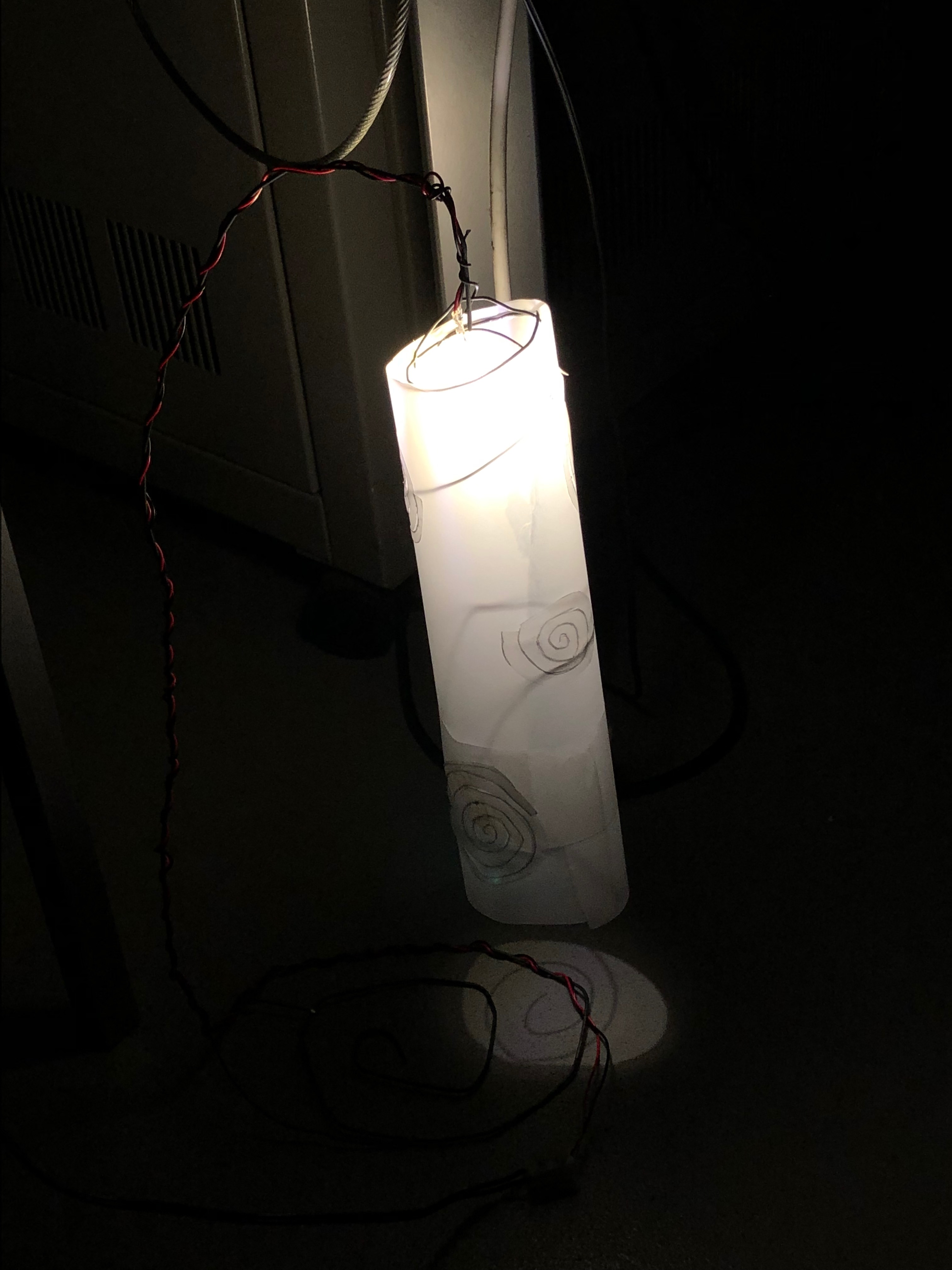
On the 4th of December, I started experimenting with spirals for this drew various spirals out on tracing paper and cut them out and test the LED and shadow effect.

To create a final spiral design I took some strong wire to build a support structure, next I took a long piece of wire and made a long spiral and glued tracing paper around it and glued small spirals on it, next I hooked it to the support structure, then I managed to place the LED inside and wrap the positive and negative wire around the neck of the support, once the wires were connected to the transformer I managed to create a spiral shadow from the bottom.  IMG_4879.jpg

13/11/18 (Enamelling part II)

On the 13th of November I and my group continued with our Enamelling

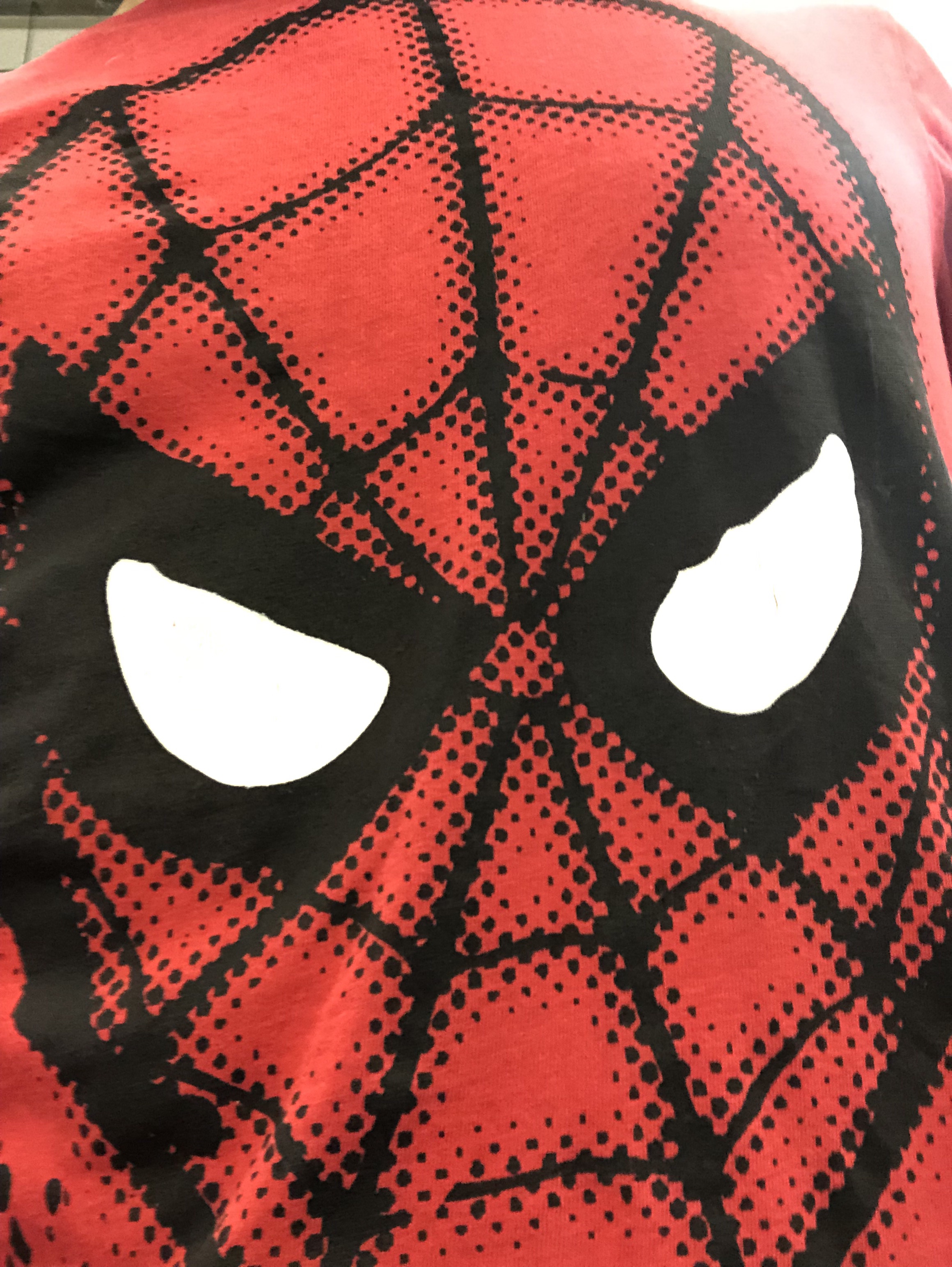
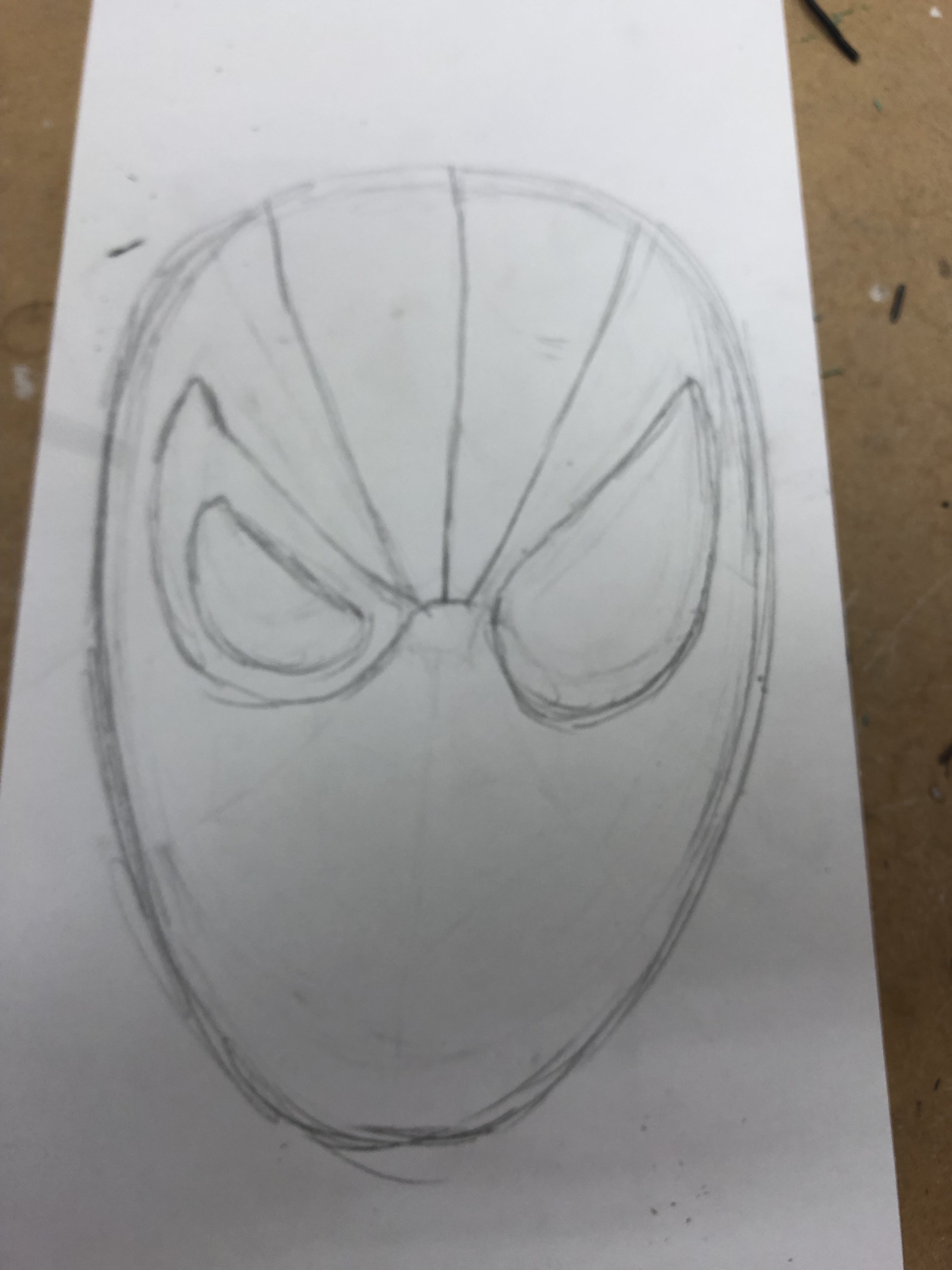
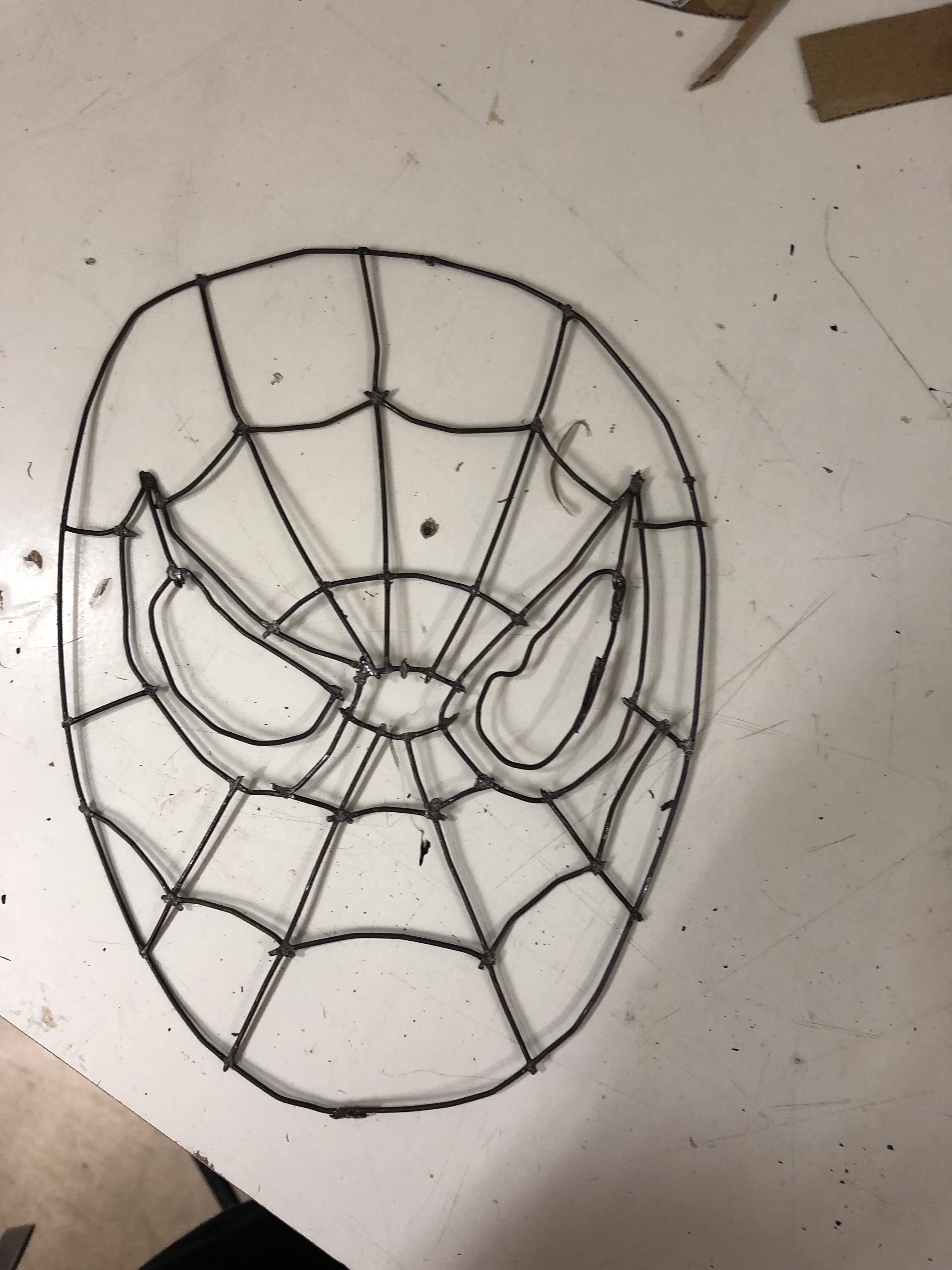
For this I did spot welding, the picture I decided to base it off was my spider man T-shirt

First I sketched out the shape and pattern then I took a long piece of wire and bent it to the shape of his head and spot welded it together, next I took small pieces of wire to make the eyes

Next I took strips of wire to create the web pattern

6/11/18 (Enamelling part I)

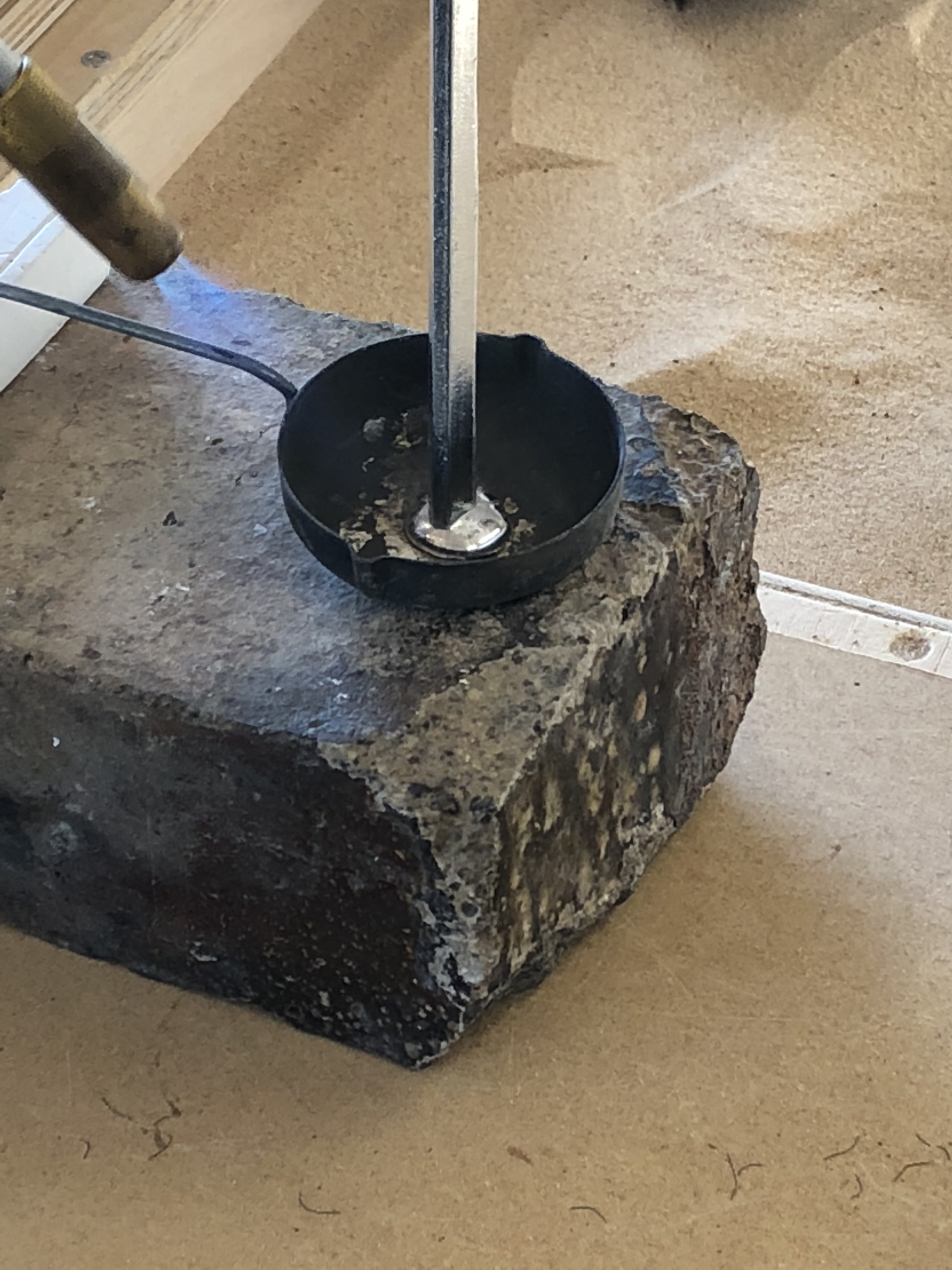
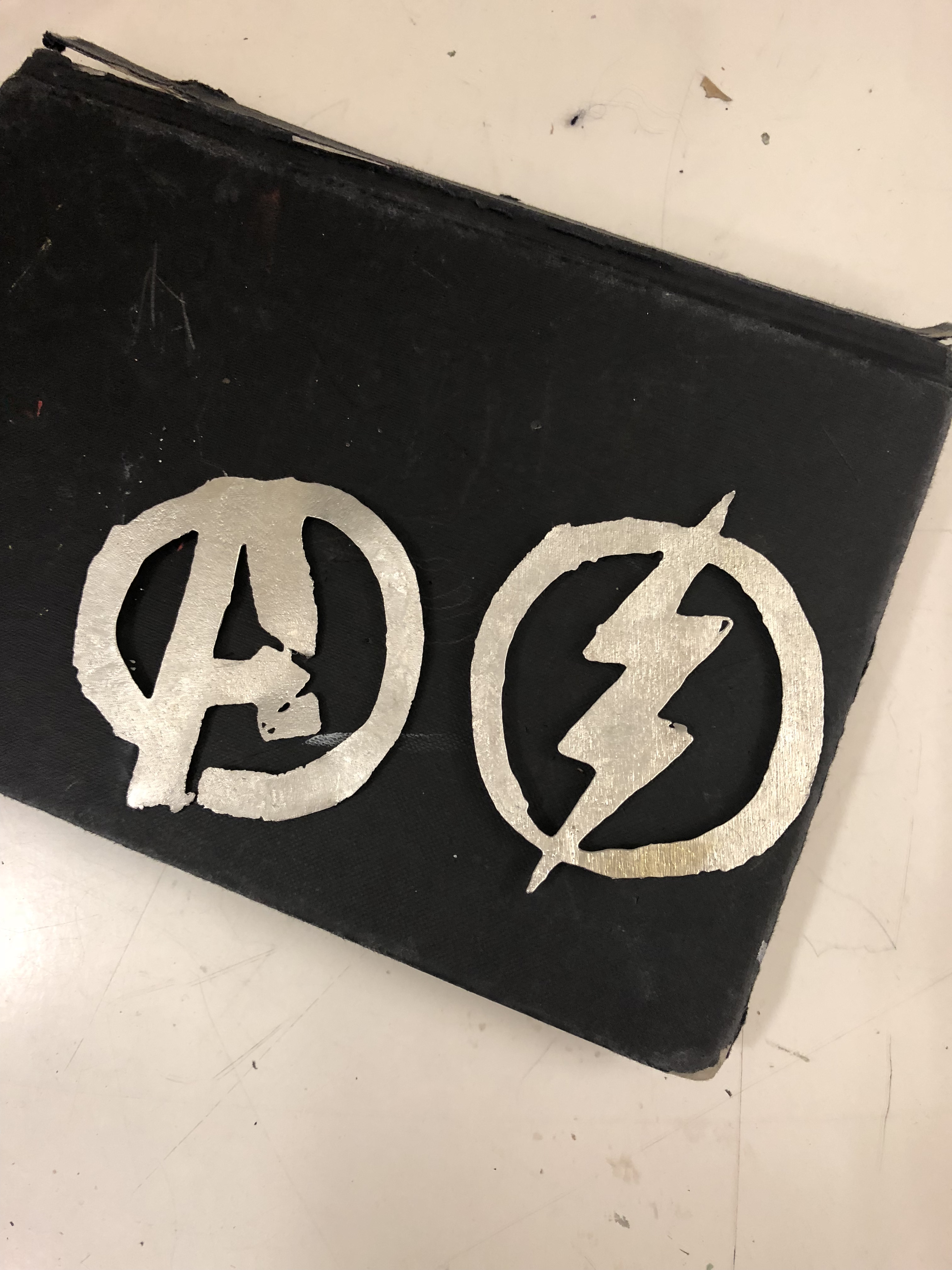
On the 6th of November I and my group started work in Enamelling, first we were given a tutorial on how to work with pewter and how to crate our plaster moulds, once we were given our tutorial, we each took a piece of plaster, drew what we wanted to carve, then carved into our design using carving tools, once they were deep enough we used clamps and pieces of wood for the plaster to lean on, then melted the pewter and poured it between the wood and mould, once it dried I took mine out of the mould and I was happy with the result

SlipCasting Part II

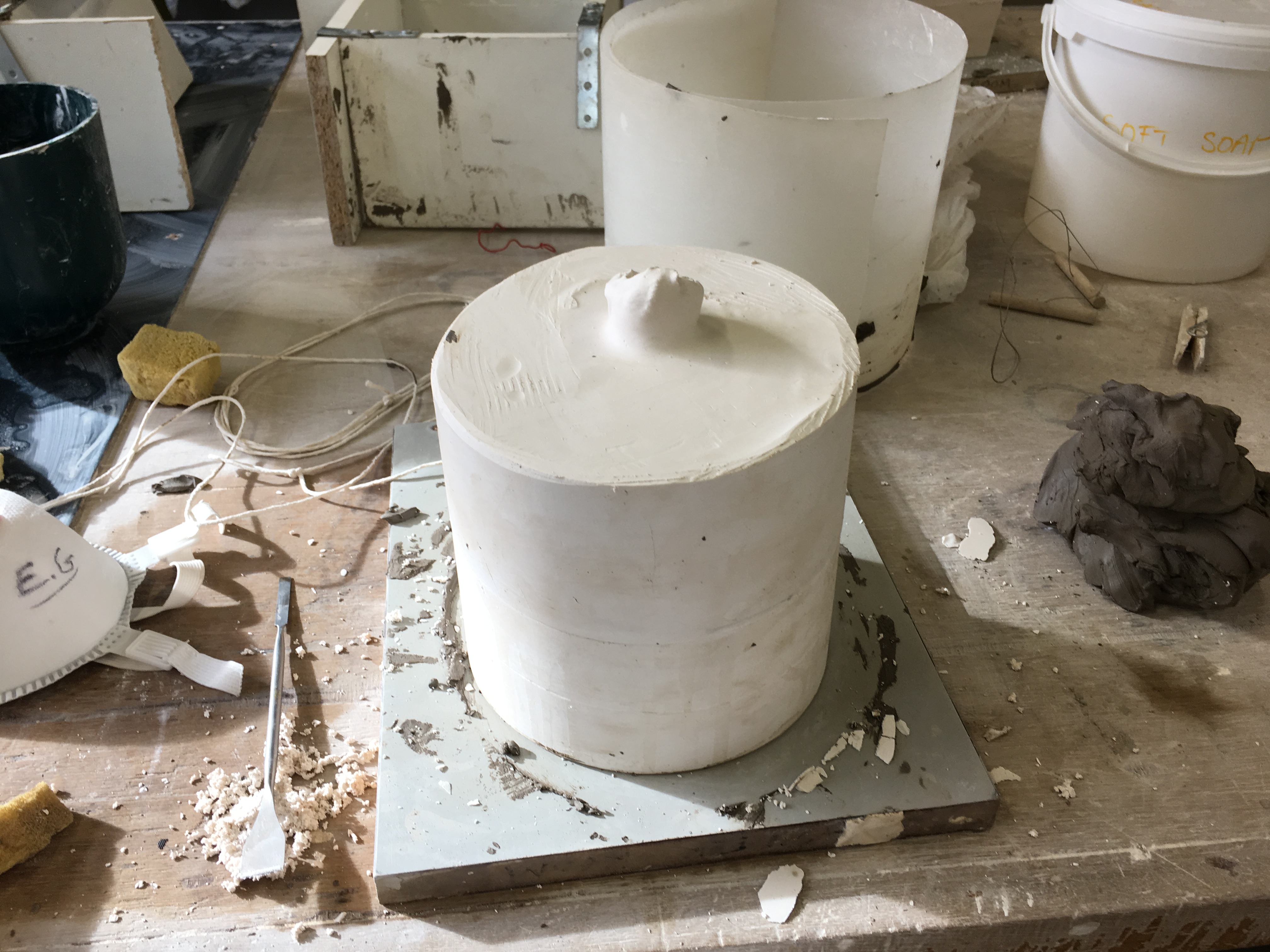
On the 23rd of October, I and my group continued work on slipcasting, first I took out my death star mold from last week and began to separate the two halves, once that was done I was able to pull the death star out of the mold,

IMG_1890.JPG

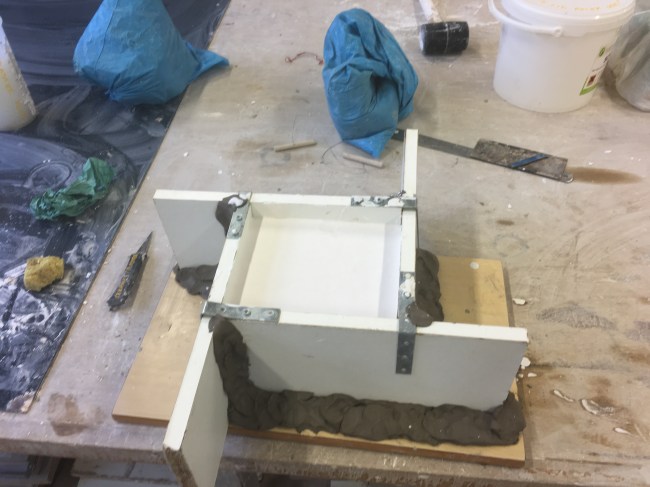
After that, I started casting my plastic cup by lying it on its side covering the bottom half, Then I took boards of wood and placed them around the cup and placed clay in between the gaps of the barrier, next I created the plaster mixture the same way I did last week then poured it into the barrier and left it to dry.

IMG_1002.JPG

Superhero Mask

On the 15th of November, I started work on my superhero mask
Here are the things I used:

Smooth white mask
Liquid Latex
Black acrylic paint
Paintbrush
Baby powder
Spirit Gum
And crafting knives

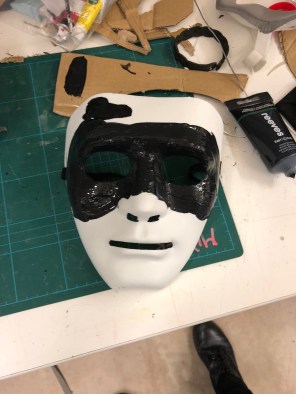
First thing I did was mix the liquid latex with the black paint until it was the right color

Next, I used a paintbrush and painted the mix on the white mask, to get it at the right thickness I had to build it up in layers, so between each layer, I had to wait for it to dry

Once I got up to 10 layers I carefully started to peel the mask off, then I applied baby powder to the front and inside of the mask to prevent it sticking together (If you peel it off too fast or don’t apply enough powder the latex mask will tear)

img_4558.jpgIMG_4535.jpg

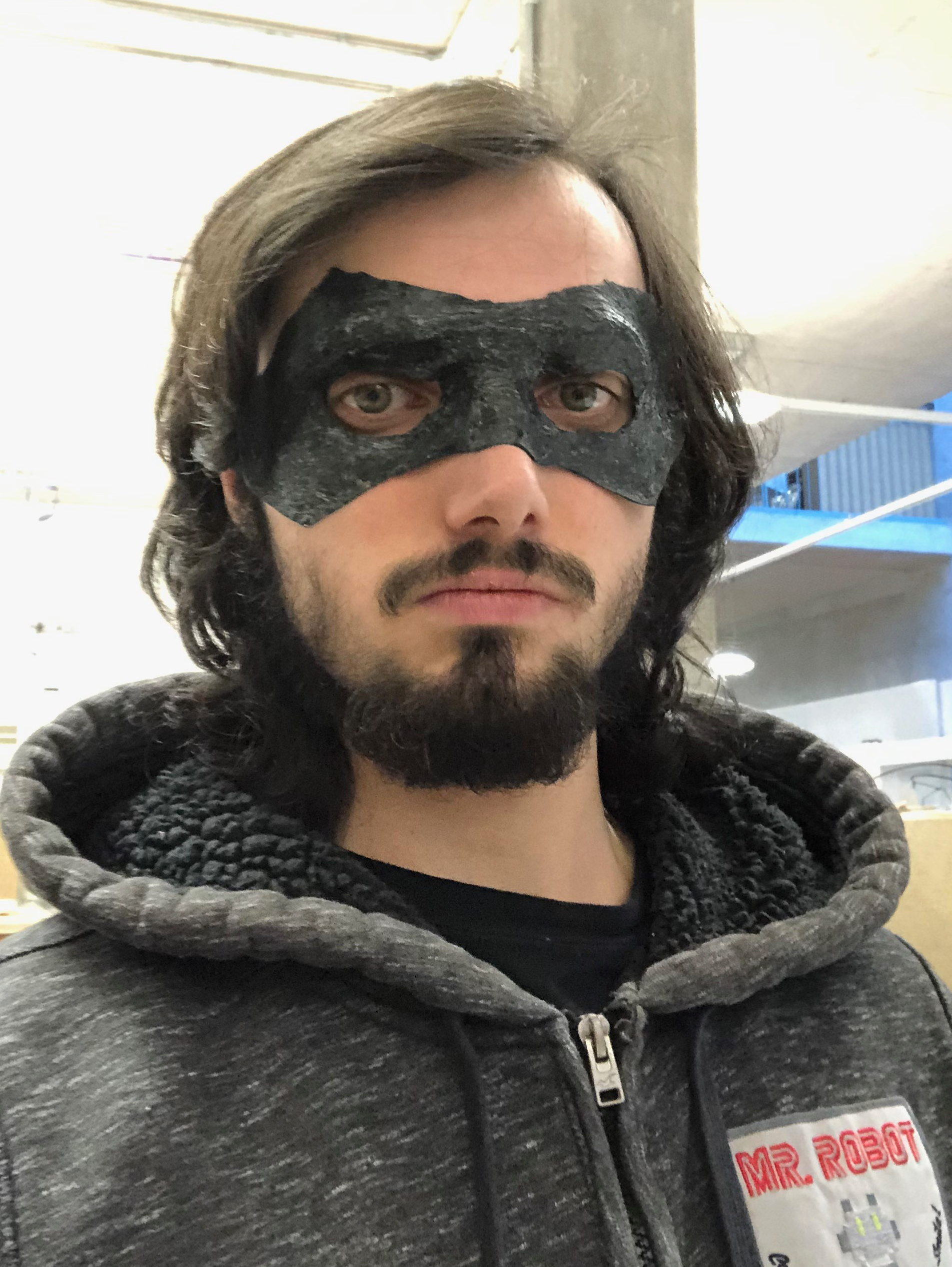
After I peeled off the mask I used my craft knife to cut it into the shape I wanted

Next, I then proceeded to stick the mask to my face, first I applied some spirit gum to the mask, then I stuck it onto my face (I had to stretch it to some areas so it would look like it’s attached to my face also so it can move with my face emotions)
img_4560.jpg


9/10/18 (Wood shop Part III)

On the 9th of October I finished off my wooden box,

For this I made some pencil markings between the lid and box, next I took the hinges and pierced screw holes into it using a (TBA), next I screwed in the screws to secure the hinges, once that was done I made a few marks for the lock on both parts and pierced screw holes on them and screwed in the screws to keep it secure, once the box was fully assembled, I then decided to decorate it by putting (TBA) on the front bottom corners

After that the box was finished

5/10/18 (Metalshop Part III)

On the 5th of October, I and my group started work on wax, first, we were instructed on how to use different types of wax and how to deal with the temperature, I chose casting wax, next I took my rubber molds I made earlier that week, once I boiled the wax and got the temperature right, I carefully poured the wax into my box mold, once it was dry I squeezed it out of the mold and left it in the water to rest, Next I did the same process for my pixel model mold.


Pics to be added

2/10/18 (Metal Shop Part II)

On the 2nd of October I and my group began learning how to make rubber molds, For this we each had to bring our own object in for molding I brought in a small wooden box and a 3D printed figure, first I took a board of wood to use as a base, next I took lumps of clay to create barriers around my objects, while they were already in place I started cutting up pieces of latex to create the mold, once I had enough to melt I then put in the microwave for four minutes, once it was all melted I carefully carried it to my table and poured it into the barrier for the box and waited for it to cool down,

While the box mold was cooling, I then started making a mold for the figure, this time using (TBA), to do this I mixed the powder and water until it went all gooey, next I poured it into the barrier then waited for it to dry.

Once it dried I removed the original model from the mold, then using (TBA) I poured it into the mold till it dried and when it did it created a rubber duplicate of the model.